
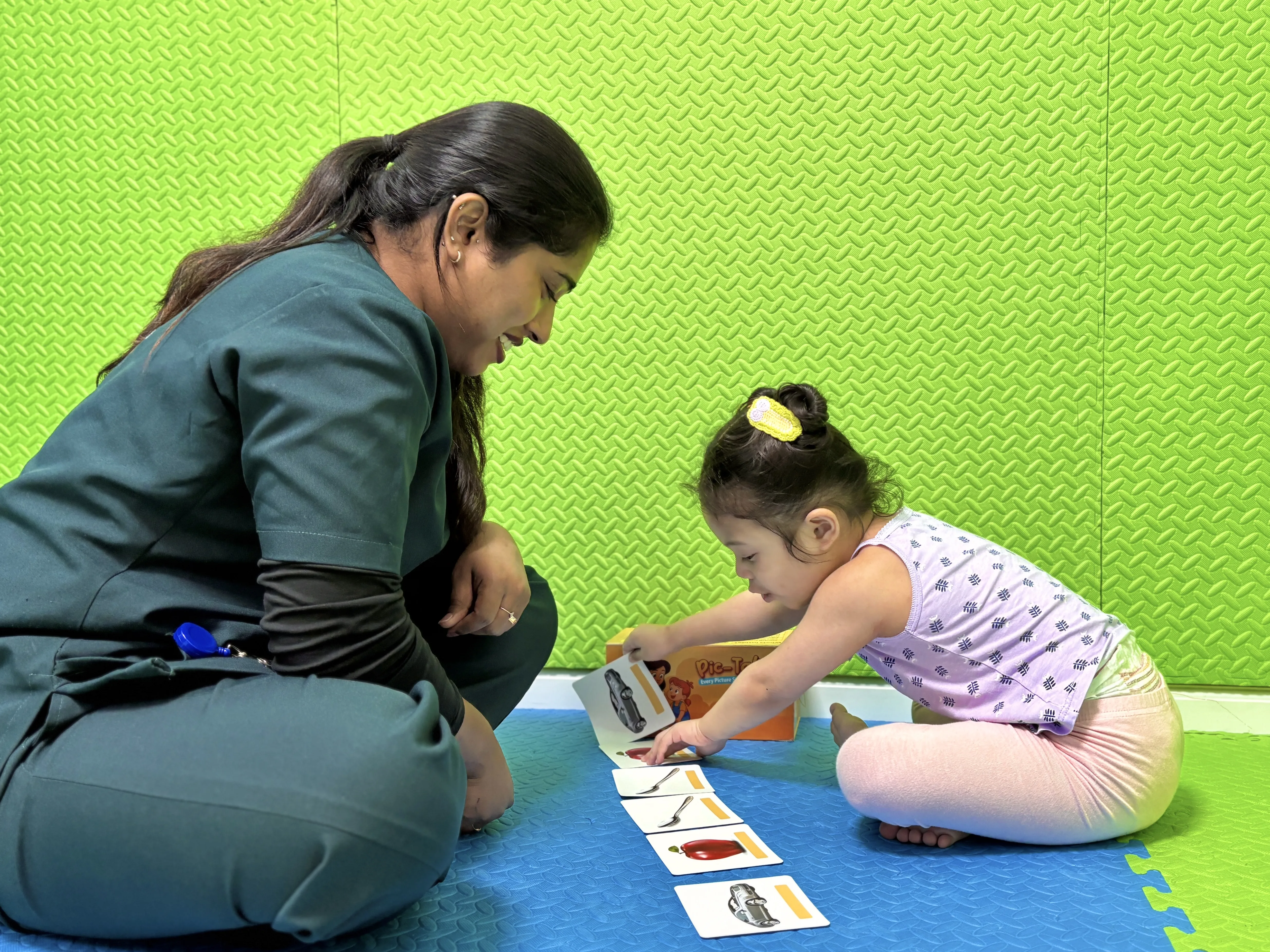
Feeding therapy, also known as pediatric feeding therapy or pediatric feeding and swallowing therapy, is a specialized area within healthcare focused on evaluating and treating feeding and swallowing difficulties in infants, children, and adolescents. The primary goal of feeding therapy is to enhance oral intake, improve nutrition, and develop overall feeding skills. This comprehensive intervention involves collaboration among various healthcare professionals to address the complex needs of individuals with feeding challenges.
Assessment and Evaluation
The first step in feeding therapy is a thorough assessment conducted by feeding therapists to evaluate the individual's feeding and swallowing abilities. This process includes:
- Clinical Observations: Direct observation of the individual during feeding to identify any difficulties or abnormal behaviors.
- Standardized Evaluations: Use of specific tests and assessments designed to measure feeding and swallowing capabilities.
- Parent/Caregiver Interviews: Gathering detailed information from parents or caregivers about the individual's feeding history and current challenges.
- Collaboration with Healthcare Providers: Consulting with other healthcare professionals to understand any medical, developmental, or sensory issues contributing to feeding difficulties.
The goal of the assessment is to pinpoint the specific nature and severity of the feeding difficulties and to develop a tailored treatment plan.
Treatment Planning
Based on assessment findings, feeding therapists create a personalized treatment plan in collaboration with the individual and their family. This plan addresses the underlying causes of feeding difficulties and sets specific goals. Strategies and techniques included in the treatment plan aim to:
- Improve oral motor skills.
- Enhance sensory processing.
- Establish better mealtime routines.
- Ensure adequate nutritional intake.
The ultimate objective is to enable safe, efficient, and enjoyable feeding experiences.
Intervention Techniques
Feeding therapy employs a variety of evidence-based techniques and interventions, such as:
- Oral Motor Therapy: Exercises and activities designed to strengthen the oral muscles, improve coordination, and enhance sucking, chewing, and swallowing skills.
- Sensory Integration Therapy: Techniques to address sensory processing issues related to food textures, tastes, smells, and temperatures, including desensitization methods and sensory play.
- Behavioral Therapy: Strategies to address behavioral challenges, reduce mealtime stress, and promote positive feeding behaviors.
- Feeding Environment Modification: Creating a supportive and structured mealtime environment to minimize distractions, encourage participation, and facilitate successful feeding experiences.
- Parent and Caregiver Education: Providing guidance on feeding and swallowing disorders, mealtime strategies, nutritional requirements, and home-based interventions to ensure consistency and progress outside therapy sessions.
Collaboration and Multidisciplinary Care
Feeding therapy often involves a multidisciplinary team of healthcare professionals, such as:
- Pediatricians
- Gastroenterologists
- Allergists
- Occupational Therapists
- Speech-Language Pathologists
- Registered Dietitians
This collaborative approach ensures that all aspects of the individual's feeding difficulties are comprehensively addressed, considering medical, developmental, sensory, and behavioral factors.
Progress Monitoring and Follow-Up
Feeding therapists continually monitor the individual's progress, adjusting treatment strategies as needed. Regular follow-up sessions and reassessments are conducted to:
- Track improvements.
- Address emerging challenges.
- Provide ongoing support to the individual and their family.
Empowering Families and Caregivers
A critical component of feeding therapy is empowering families and caregivers with the necessary knowledge, skills, and resources to support the individual's feeding development long-term. Therapists work closely with families to:
- Educate them about feeding and swallowing disorders.
- Provide practical strategies for implementing feeding interventions at home.
- Ensure consistency and support outside of therapy sessions.
Conclusion
Feeding therapy is a specialized healthcare intervention aimed at addressing feeding and swallowing difficulties in infants, children, and adolescents. Through comprehensive assessment, individualized treatment planning, evidence-based interventions, collaboration with other professionals, and ongoing support for families and caregivers, feeding therapists play a crucial role in helping individuals achieve safe, efficient, and enjoyable feeding experiences. This ultimately leads to improved overall health and well-being.


